
SPECIALIZED HOUSING & GROUP HOME DEVELOPMENT SERVICES
Specialized Housing. Real Support. A Place to Call Home.
Urban Legacy Development Group helps qualified individuals access appropriate group housing opportunities by connecting them with housing programs, referral organizations, and community support services.
WHO WE ARE
At the intersection of real estate and community need
Urban Legacy Development Group works at the intersection of real estate, housing development, property partnerships, and community need. Through our Specialized Housing & Group Home Development Services division, we work to expand appropriate housing opportunities by building relationships among property owners, housing providers, agencies, community organizations, and qualified participants.
Legitimate, lawful eligibility
Screening is based on program requirements, funding, occupancy standards, and documented ability to pay - never on protected characteristics.
Coordinated, not isolated
We connect property owners, housing providers, agencies, and participants so housing resources reach the people who need them.
Compassionate & professional
Dignified, accessible service for Veterans, families, case managers, and community partners - without being patronizing.
A note on eligibility
Submitting an inquiry or referral does not guarantee acceptance, eligibility, placement, or availability. Each inquiry is evaluated according to the requirements of the applicable housing program, property, funding source, services available, and applicable laws.
Programs we may offer
Which describes you?
Each program below describes who it may serve and how it works. ULDG does not provide medical, behavioral-health, personal-care, assisted-living, or clinical services unless properly licensed and staffed to do so.
Veteran Housing
Who it may serveVeterans and service members transitioning into stable housing, including those receiving VA benefits or pensions.
General eligibility considerationsVerifiable veteran status, documented income or VA benefits, and alignment with the specific program's occupancy requirements.
Types of housing that may be availableSingle-family shared homes, transitional residences, and community-based housing near services and transportation.
How referrals workVeterans organizations, VA community programs, case managers, and self-referrals are welcome.
Documentation that may be requiredDD-214 or equivalent, income verification, and identification may be requested through a secure process after preliminary review.
What happens after an inquiryA coordinator reviews the inquiry, confirms fit with current or upcoming opportunities, and outlines next steps.
How agencies can participateVeterans organizations can establish referral relationships and receive vacancy notifications.
Special Needs / Disability-Inclusive Housing
Who it may serveAdults with disabilities or special needs who may benefit from accessible or supportive housing arrangements.
General eligibility considerationsBased on program requirements, documented income, accessibility needs, and lawful occupancy standards - not on disability status alone.
Types of housing that may be availableAccessible units, single-level homes, and properties configured for shared supportive living.
How referrals workDisability-service organizations, case managers, families, and self-referrals.
Documentation that may be requiredIncome verification and accommodation requests; medical records are not requested through public forms.
What happens after an inquiryWe assess accessibility needs and match against suitable properties and programs.
How agencies can participateDisability-service organizations can partner to coordinate appropriate placements.
SSI / SSDI & Verified-Income Housing
Who it may serveIndividuals receiving SSI, SSDI, VA benefits, pensions, or other documented recurring income.
General eligibility considerationsVerifiable recurring income or an approved third-party payment source that meets program requirements.
Types of housing that may be availableShared housing, single-room occupancy, and small multifamily configurations.
How referrals workBenefits counselors, social-service organizations, and self-referrals.
Documentation that may be requiredAward letters, income verification, and identification may be requested through a secure process.
What happens after an inquiryWe confirm income alignment with available programs and outline documentation steps.
How agencies can participateAgencies administering benefits can coordinate funding and referrals.
Transitional Housing Partnerships
Who it may serveIndividuals moving from temporary or unstable situations toward longer-term stability.
General eligibility considerationsProgram-specific requirements, documented income or funding, and willingness to engage with program expectations.
Types of housing that may be availableShared transitional residences operated in coordination with partner programs.
How referrals workReentry organizations, social-service agencies, and case managers.
Documentation that may be requiredProgram-specific documentation determined by the operating partner and funding source.
What happens after an inquiryWe coordinate with the operating program to determine fit and availability.
How agencies can participateTransitional program operators can partner to expand housing capacity.
Shared Housing Opportunities
Who it may serveQualified adults who can live cooperatively in shared housing arrangements.
General eligibility considerationsDocumented income, compatibility with shared living, and alignment with occupancy standards.
Types of housing that may be availableLarge single-family homes and small multifamily properties configured for shared living.
How referrals workHousing navigators, community organizations, and self-referrals.
Documentation that may be requiredIncome verification and identification through a secure process.
What happens after an inquiryWe assess compatibility and match against available shared housing.
How agencies can participateCommunity organizations can refer participants and coordinate support.
Agency-Referred Housing
Who it may serveIndividuals referred by government agencies, housing authorities, or approved programs.
General eligibility considerationsDetermined by the referring agency's program requirements and the housing opportunity's criteria.
Types of housing that may be availableVaries by program - single-family, shared, or multifamily housing.
How referrals workGovernment agencies, housing authorities, and approved program administrators.
Documentation that may be requiredProvided and verified through the referring agency under its own protocols.
What happens after an inquiryWe coordinate directly with the referring agency to confirm fit and placement.
How agencies can participateAgencies submit referrals through the dedicated referral form and portal.
Community-Based Housing Partnerships
Who it may serveIndividuals served through community organizations, faith-based groups, and local partnerships.
General eligibility considerationsProgram requirements, documented income or funding, and lawful occupancy standards.
Types of housing that may be availableCommunity-integrated housing developed in partnership with local organizations.
How referrals workFaith-based organizations, community groups, and housing navigators.
Documentation that may be requiredIncome verification and program-specific documentation as applicable.
What happens after an inquiryWe coordinate with community partners to identify appropriate housing.
How agencies can participateCommunity organizations can establish referral and development partnerships.
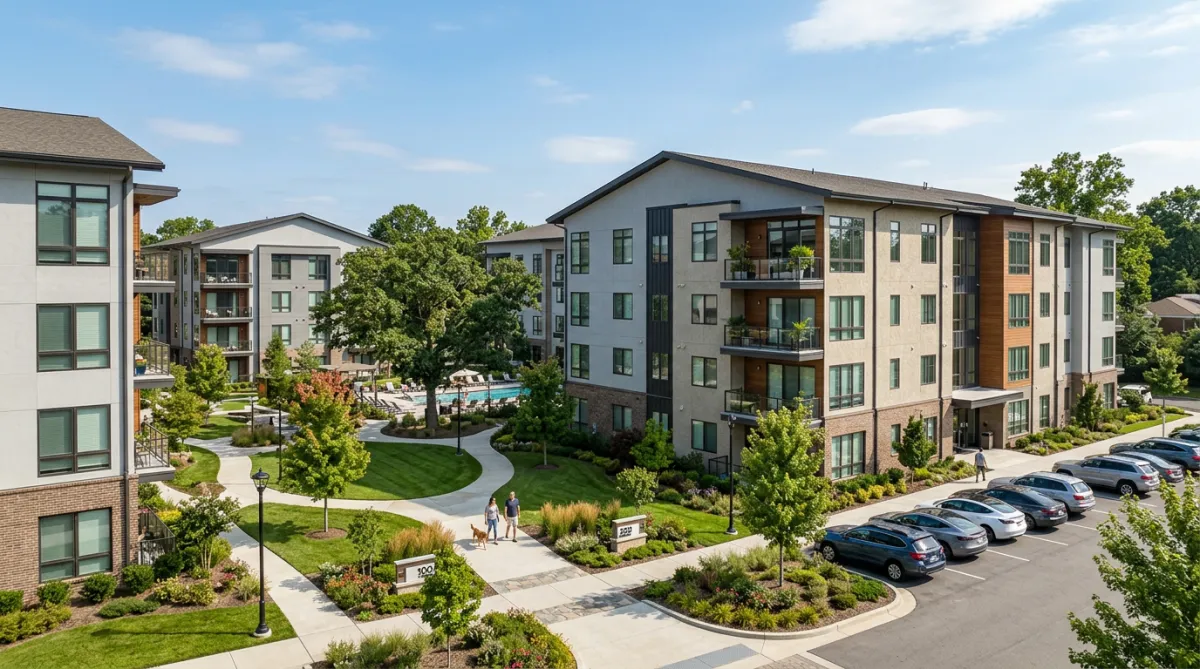
Populations that may benefit from specialized housing
Depending on the specific property, program, eligibility requirements, applicable laws, licensing, funding sources, and services available, ULDG may serve a range of qualified adults. Eligibility is never based on a protected characteristic alone. Know anyone who is looking for housing that may be interested in our programs?
- Veterans transitioning into stable housing
- Individuals receiving SSI or SSDI
- Individuals with pensions or recurring income
- Individuals referred by government agencies
- Other qualified adults with verifiable income
- Adults with disabilities or special needs
- Individuals receiving VA benefits
- Participants in approved housing programs
- Individuals referred by nonprofits
See housing opportunities as they become available
Browse current and upcoming specialized housing opportunities by location, housing type, availability status, and program type - then request information or submit an agency referral directly.
Join Our Waitlist
Joining our waitlist does not guarantee acceptance, eligibility, placement, or availability. Each inquiry is evaluated according to the requirements of the applicable housing program, property, funding source, services available, and applicable laws.